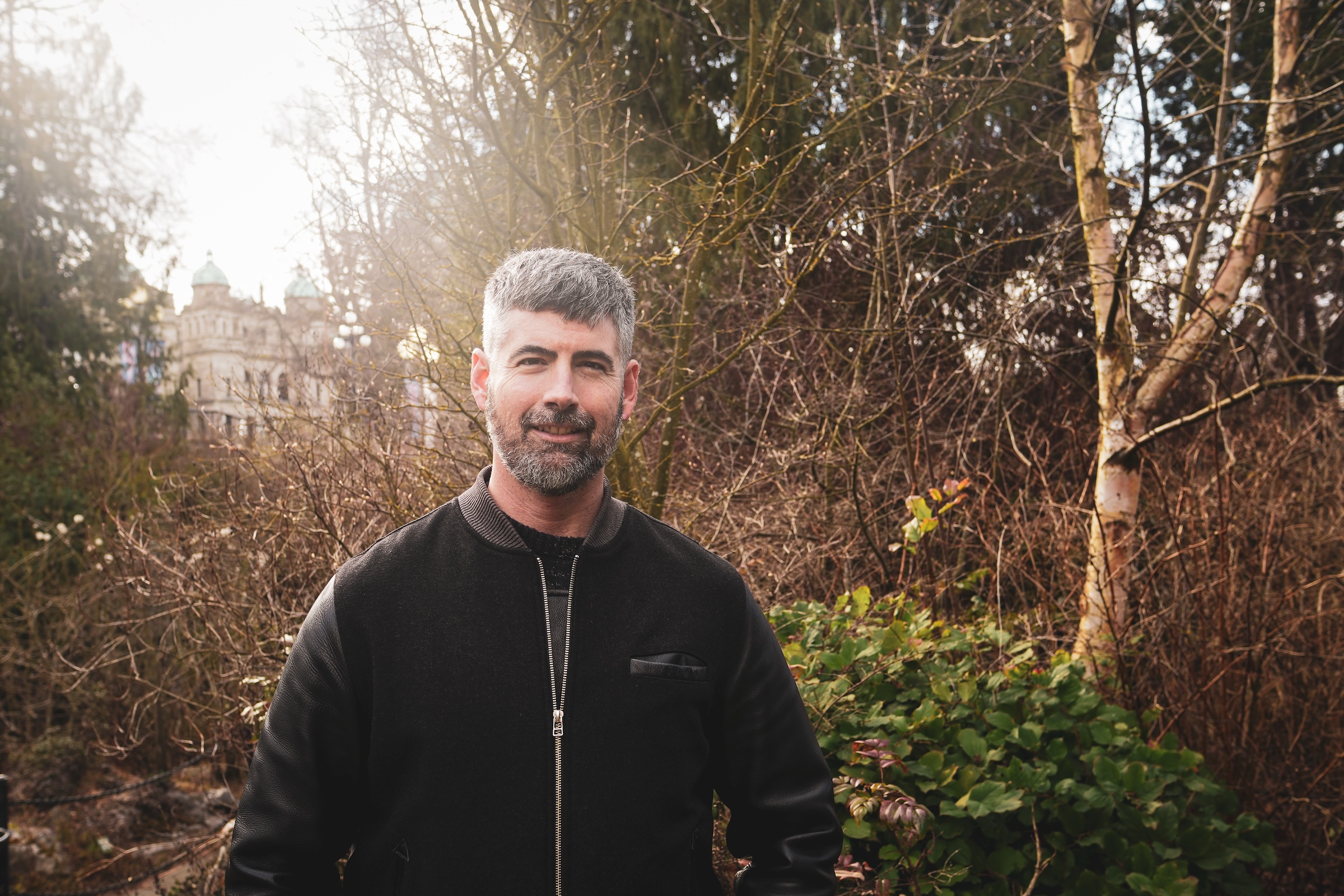
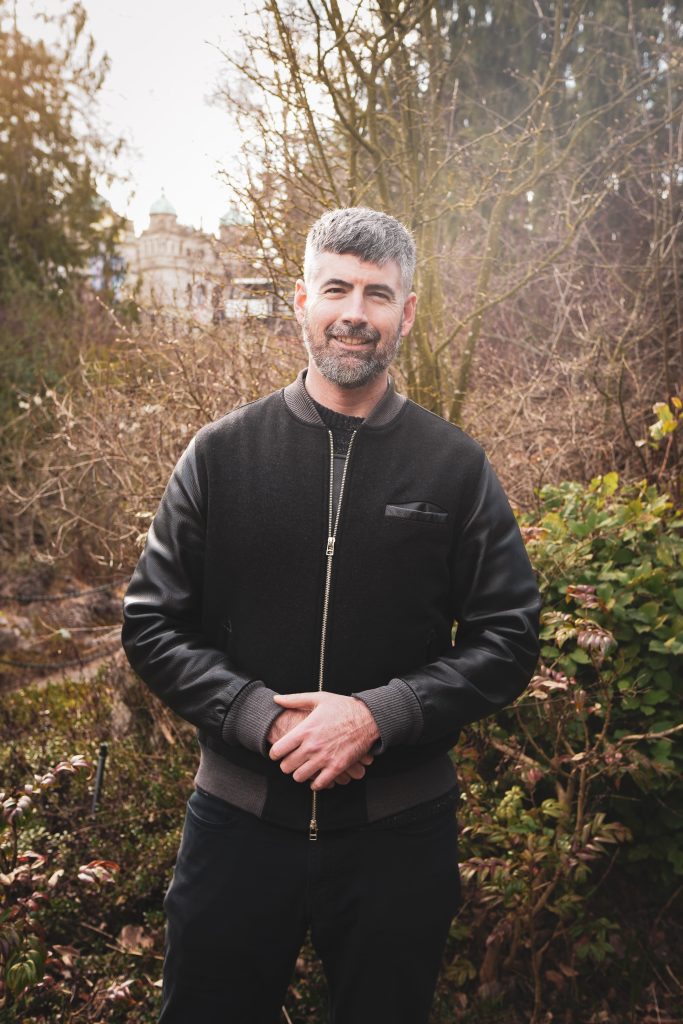
With over 20 years of experience in campaigns and advocacy, RAVEN is excited to introduce you to our new Campaigns Director, Shane Moffatt. Shane comes to RAVEN with a wealth of experience, having previously worked for Greenpeace Canada’s Nature Campaign. He also has a Master of Laws (LLM) from the University of Toronto and has done extensive campaign litigation and investigations into extractive industries. Read on to learn what Shane is bringing to the RAVEN team, what his favourite part of the job is so far, and how walking grounds him to both family and to the land.
What drew you to working with RAVEN?
I had been a fan of RAVEN’s work for a while, and when the opportunity came up, I jumped at it. There is such a positive vision, heart and values which come across so clearly.
RAVEN has a really critical role to play in our society. I’ve spent a long time campaigning on issues related to rights, natural resources and the environment. Over that time, I’ve noticed that Indigenous Peoples have important rights on paper, but in practice, governments and corporations often have so much more financial resources, while Indigenous folks face major barriers to vindicating their rights in court.
And that’s where RAVEN comes in to try and level the playing field. That’s crucial, both for the Nations involved in litigation and for building a better society. Ultimately, systemic change won’t come from fixing any single law, but by comprehensively respecting Indigenous rights across the board.
What is your favourite part of the job so far?
Meeting with the Nation Partners RAVEN works with has been inspiring and humbling. The scale of the challenges people are facing and the visionary solutions they are proposing are really motivating to me. It’s a deep honour to be able to play a part in working towards them.
Internally, I enjoy the shared values like decolonisation and environmental justice that ground us in our mission and how we show up in the world. We don’t have to spend a lot of time debating them, but can just get on with things.
The team here is also incredibly dedicated and creative. I have been so impressed by the care for each other and the collaborative attitude.
Is there anything else that you are bringing to your position that you are excited to integrate into your work at RAVEN? Whether from your career experience or personal life experience?
I have a lot of experience in campaign litigation and have made pretty much all the mistakes you can make! I like to think I’ve learned a lot about the importance of team wellness, accessible communications and clear strategy, so those are some of the things I’ll try to tap into.
I’ve also been fortunate to work previously with Nations to advance rights and governance on the land. A community leader I was working with in northern Ontario described how important it is to start planning with Nation priorities at the top, and that really aligns well with RAVEN’s approach. I’m really excited to take that starting point and see what we can achieve together.
I’m also a big believer in people power for achieving change. Everyone I come across has such great things to say about RAVEN, and I think we’re really well placed to build a movement across the country, united in respecting Indigenous rights and supporting critical legal challenges.
What does Indigenous sovereignty mean to you or look like to you?
It means not having to fight for rights to be respected. The United Nations Declaration on the Rights of Indigenous Peoples “constitute the minimum standards for the survival, dignity and well-being of the Indigenous peoples of the world.” But people still have to fight every day, even for the bare minimum. That’s not right.
A personal hero of mine is Adrienne Jérôme, former chief of the Anishnabe Nation of Lac Simon. Her vision for her community taught me a lot about sovereignty—it’s not one thing but a holistic restoration of land, nature, food systems, language, governance, and so much more.
I also think that so-called Canada also has to align its own governance nationally with Indigenous perspectives and worldviews. This is a missing plank in our society that I think has had, and continues to have, some very negative consequences for everyone who lives here.
What makes you feel connected to the land or water? Do you have any practices that keep you grounded in the natural world?
I come from a very large family, and my grandfather was a prolific walker. He would be out in the field walking with a stick and his dog every day of his life, I think. That’s something he definitely passed down to us. When I go back to Ireland and gather with family, going for a long walk together is always part of it.
Even today, living in downtown Tkaronto, I still walk everywhere I can. That lets me experience the seasons (for better or worse), see the wildlife early in the morning and catch some of the stunning sunrises we get in the city.
Don’t get me wrong, I love to get into the forest and hike or canoe for a few hours when I can, but I try not to see nature as something separate or apart from us. There are still rivers all around me that sustain snapping turtle, salmon, deer, coyote and an amazing abundance of life if you’re willing to look for it.
What’s something that brought you joy in the last year?
Visiting RAVEN’s office for my first week on the job certainly brought me a lot of joy!
Connecting and spending time with old friends and family, locally and overseas, also brought me a lot of joy in the past year. Despite us all being scattered across the four corners of the globe, I’m really grateful to be able to stay connected these days with new technology. I can still remember huddling around a telephone getting ten seconds on a long-distance call every few months just to speak with an auntie.