Sign the pledge to show your solidarity with Haíɫzaqv (Heiltsuk) Nation.
10 Years of Injustice — Pledge for Action Now
The Nathan E. Stewart Sank, but Haíɫzaqv Nation is Rising
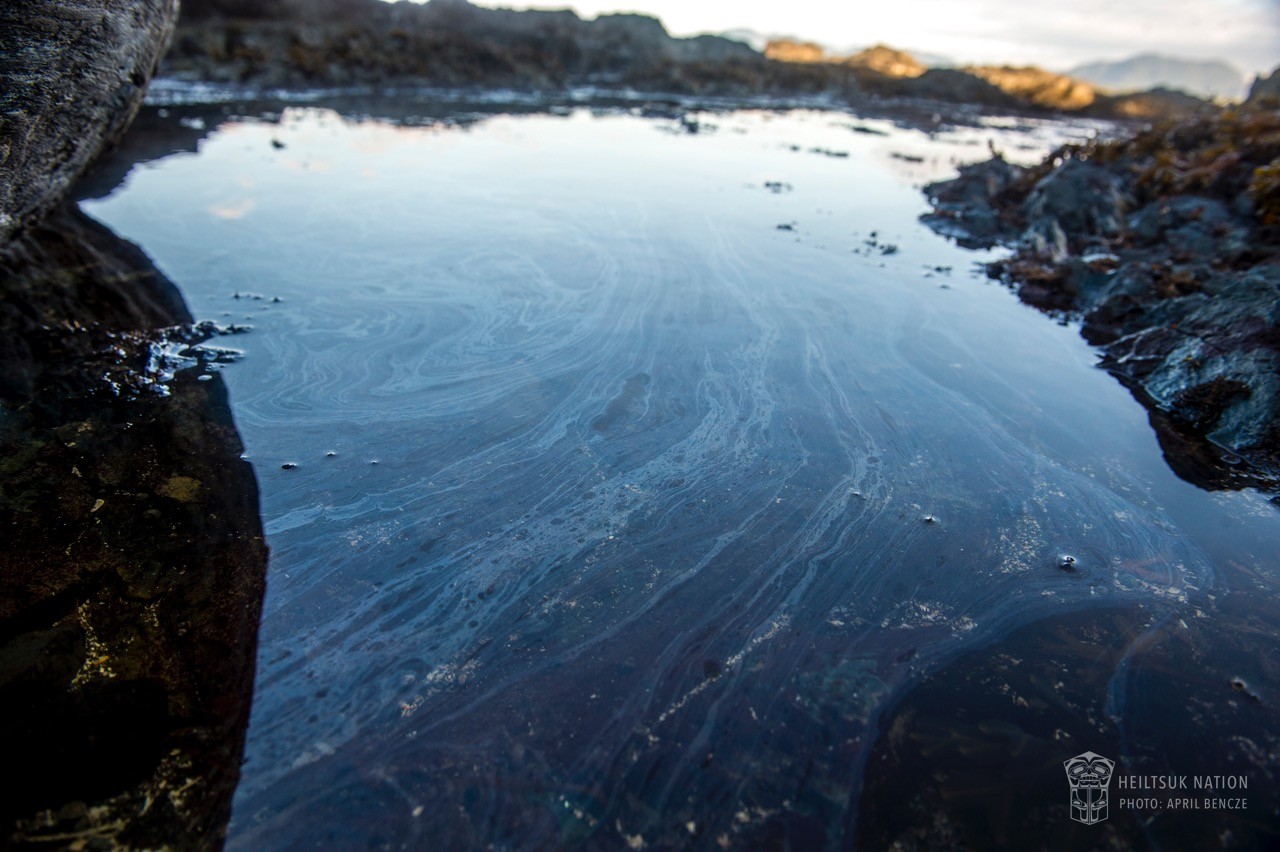
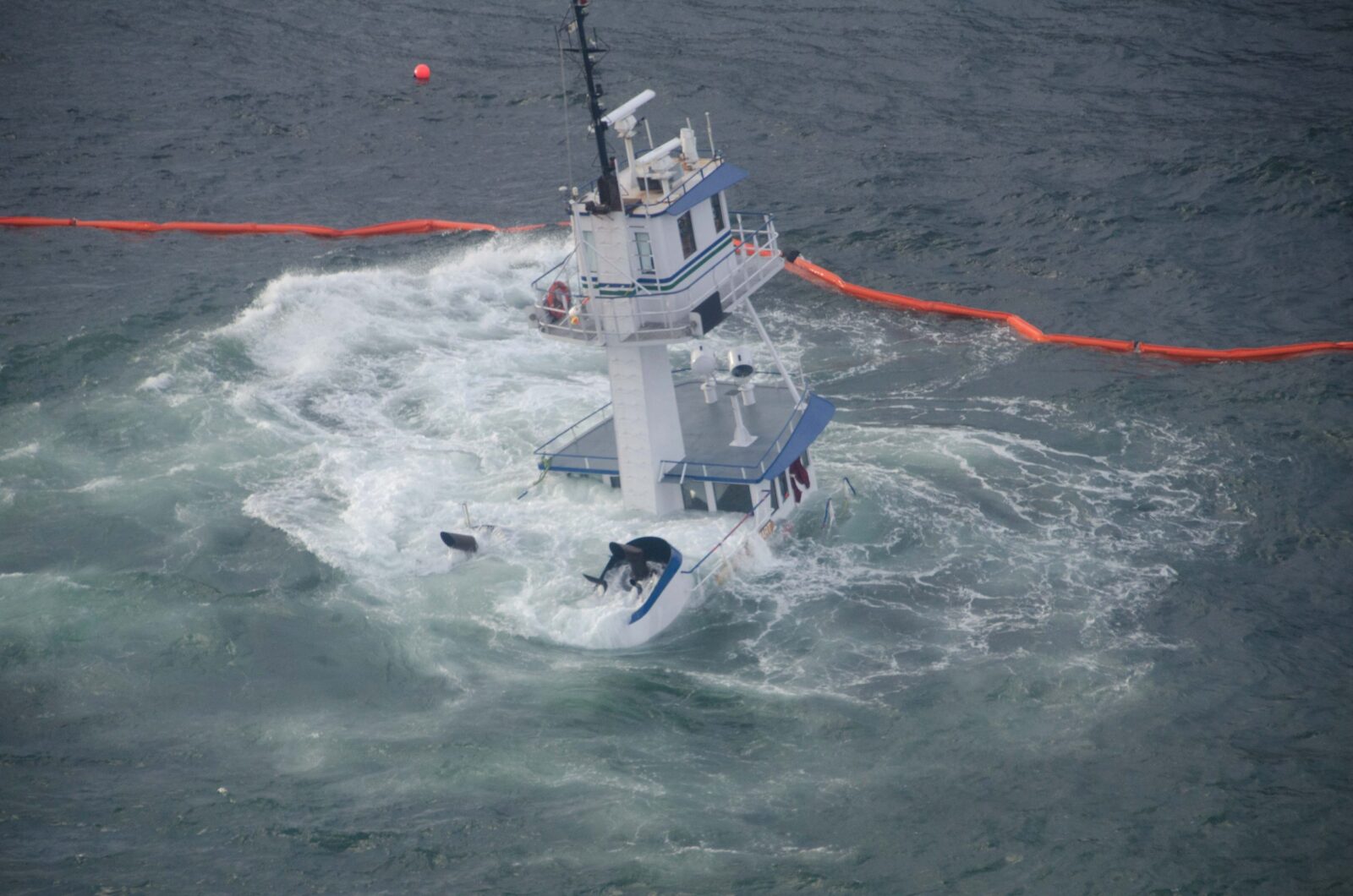
In October 2016, a tugboat ran aground off the coast of British Columbia and spilled over 110,000 litres of diesel oil in Haíɫzaqv (Heiltsuk) Nation’s waters. Now, nearly ten years later, the Nation still hasn’t been fully compensated by the federal government for the harms they have suffered to their food systems, economy, and way of life. Haíɫzaqv people still can’t fully harvest from the site as species like wild Manila clams are struggling to recover. For all of these reasons and more, the Nation continues to seek justice in the courts.
A win for Haíɫzaqv in court could toughen oil spill regulations on coasts all across Canada and set a precedent for Aboriginal title to the seabed. It would also strengthen Haíɫzaqv jurisdiction so they can manage their ocean territory according to Haíɫzaqv laws.
By signing this pledge, you are showing your solidarity with the legal action Haíɫzaqv Nation is taking to protect not just their coastline, but coastal ecosystems across Canada. Thank you for your commitment to justice and solidarity with Haíɫzaqv Nation.


Pledge FAQ
What is the issue?
10 years ago, on October 13th, a tugboat called the Nathan E. Stewart ran aground and spilled over 110,000 litres of diesel oil in Haíɫzaqv waters on the central coast of British Columbia. The tugboat and attached barge were carrying diesel through Haíɫzaqv waters despite Haíɫzaqv prohibition of oil transport through their marine harvesting areas.
As a result of the spill, exacerbated by an inadequate government and corporate response, and despite Haíɫzaqv responders’ heroic efforts to mitigate the damage, the spill contaminated key shellfish harvesting areas and critical habitat for the Northern abalone.
What is Haíɫzaqv doing to protect Canada’s coasts?
Haíɫzaqv took legal action against the Kirby Corporation (the oil company responsible for the tug) and is taking Canada and British Columbia to court. A win for Haíɫzaqv could toughen oil spill regulations from coast to coast to coast across Canada and set a precedent for Aboriginal title to the foreshore and seabed. It would strengthen Haíɫzaqv jurisdiction in the courts so they can manage their territory according to Haíɫzaqv laws.
On top of their legal case, Haíɫzaqv Nation has done their own Indigenous-led Environmental Impact Assessment and spoken at the United Nations about Canada’s inaction to ensure Indigenous communities are compensated for losses from ocean pollution like fuel spills.
Why does your signature matter?
Your solidarity with Haíɫzaqv Nation shows that there is public support for Haíɫzaqv’s pursuit of justice. This is a crucial act of reconciliation in practice. Just as importantly, it shows the Canadian government that people are standing with Haíɫzaqv and that, together, we will hold them accountable for tighter oil spill regulations and compensation for economic and cultural loss.