This October 13th marks ten years since the devastating Nathan E. Stewart spill in Haíłzaqv (Heiltsuk) waters on the central coast of British Columbia. The years since then have been marked by profound loss, but also incredible resilience and a growing movement for justice.
An Avoidable Disaster
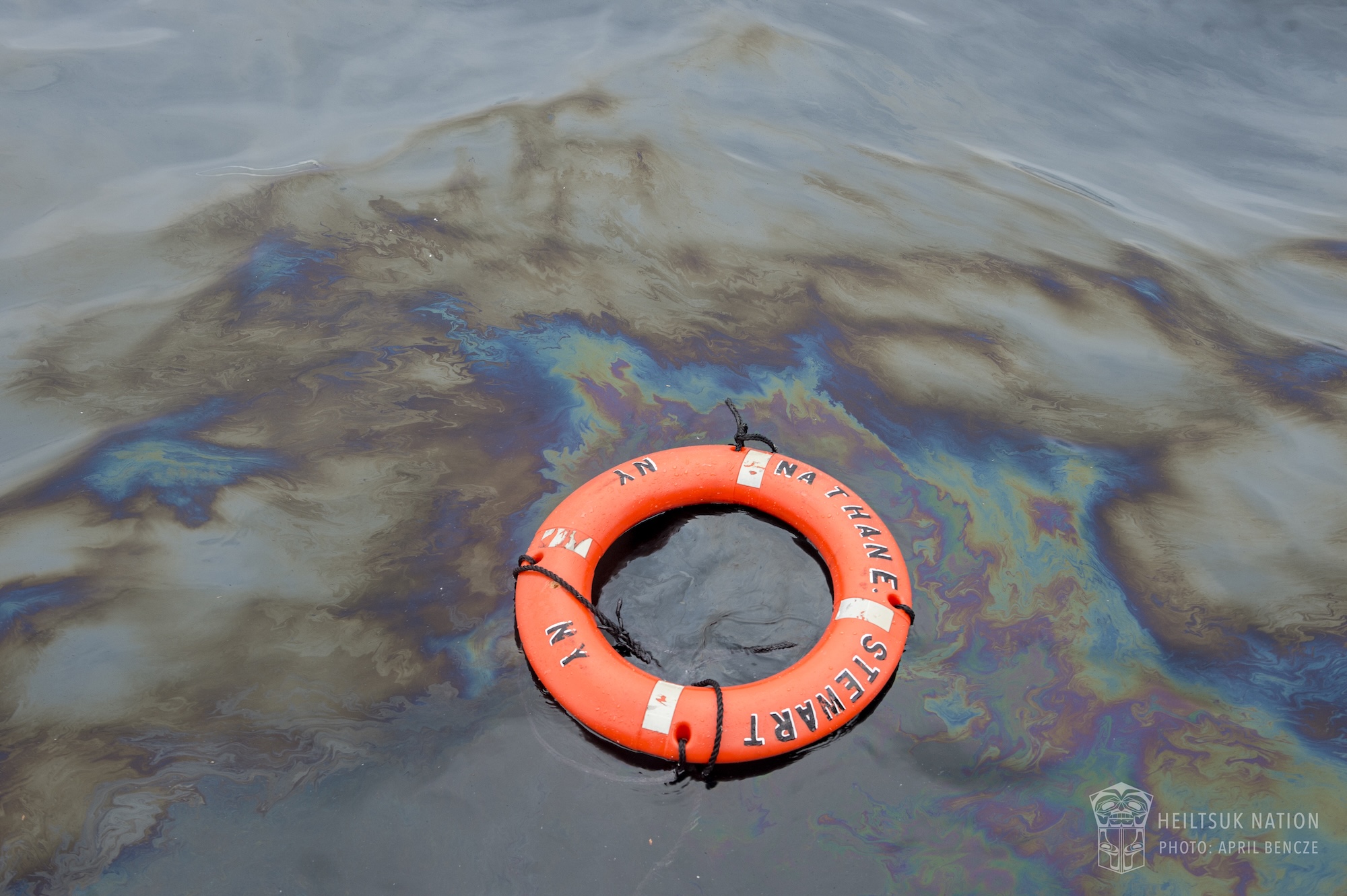
On that day in 2016, a tugboat ran aground and spilled over 110,000 liters of diesel oil near the village of Qvúqvái. The second mate on the tugboat fell asleep on his watch, likely causing the disaster.
As a result, the community suffered a violent disruption to their way of life, economy, identity, and spiritual connection to the natural world around them. Priceless cultural losses that still have not been restored to this day.
Generational Harms
Tragically, the spill contaminated a rich ocean ecosystem that Haíłzaqv Nation harvested using traditional, sustainable practices for millennia.
They previously harvested at least 25 food species from the area, including commercial harvests of Manila clams, halibut, red sea urchin, sea cucumber, and salmon. The affected area is also a significant habitat for sea otters and the Northern Abalone, an endangered species.
Even worse, there are signs that the spill has contributed to a huge rise in invasive green crabs, which voraciously consume the Manila clams, which are a staple of Haíłzaqv’s economy and diet.
They are now left dealing with catastrophic damage to their lands and waters, which will take many decades and generations to heal.
Resilience and Leadership
The Canadian government disgracefully refused to fairly compensate these cultural losses, so Haíłzaqv Nation took them and the ship’s owner to court in 2018.
And while the ship’s owner settled with Haíłzaqv Nation earlier this year, the Canadian government continues to drag its heels. The case continues to this day, requiring vast time, effort, and resources from a Nation already dealing with severe impacts.
The government also stubbornly maintains a broken regulatory system that whitewashes these Indigenous cultural losses on paper, almost guaranteeing more tragedies in the future.
This has led Haíłzaqv Nation to take their advocacy global, forming alliances with the Inuit Circumpolar Council and the Clean Shipping Coalition to reform international law so Canada and other countries have no more excuses. As Haíłzaqv Chief Marilyin Slett said to the International Maritime Organisation in April this year:
We are here to call on the international community, and on Canada… to respect Indigenous rights set out by the United Nations Declaration on the Rights of Indigenous Peoples, and to reform the oil spill liability and compensation system to protect Indigenous people from catastrophic cultural loss.
Show Your Support Today
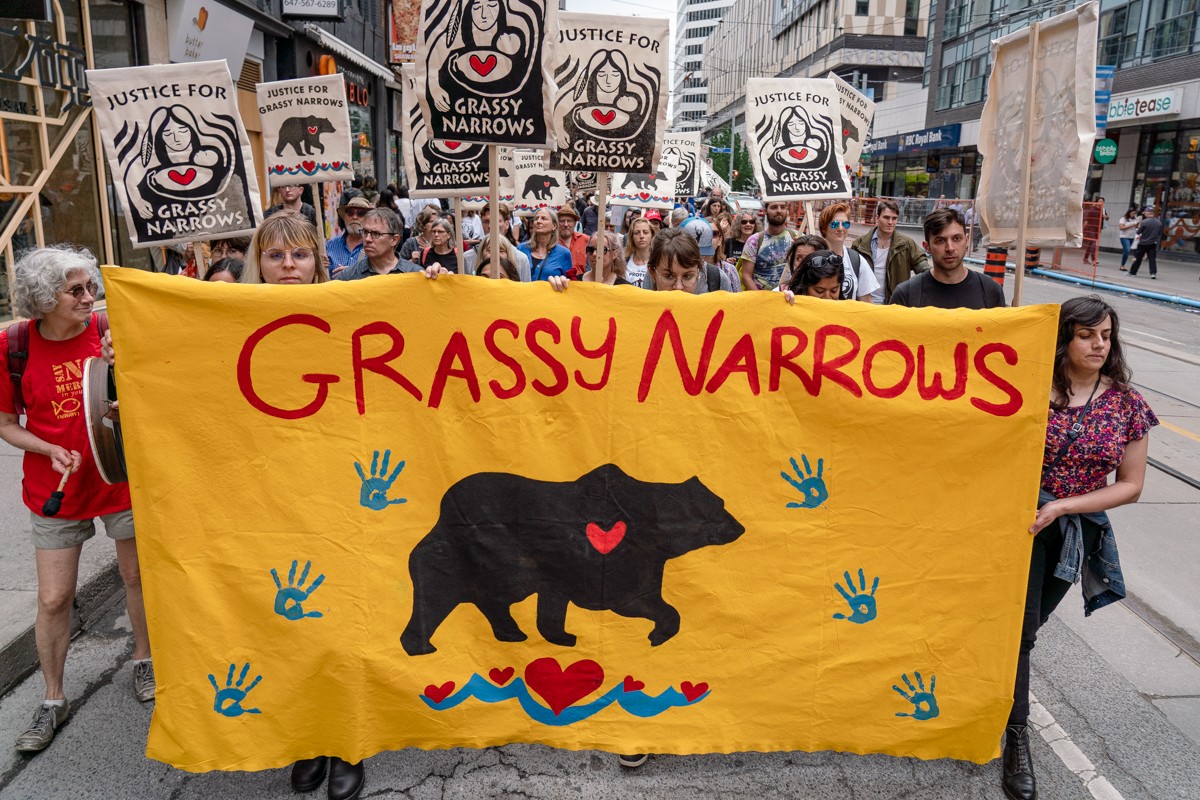
Today, you can show your support for Haíłzaqv Nation’s heroic effort to seek justice and fix a broken regulatory system so that Indigenous Nations are no longer subject to these injustices.
We’re calling on RAVEN supporters and people all over the country to pledge your solidarity.
By signing this pledge, you can take a first step in a journey, together, for justice. Show the Canadian government that you and thousands of others stand with the Haíłzaqv Nation.