This week the Edmonton Journal published an op-ed co-authored by RAVEN’s Executive Director Emily Cabrera alongside Mike Mercredi, councillor and member of the Athabasca Chipewyan First Nation.
The op-ed comes in light of Imperial Oil pleading guilty to a 5.3 million litre toxic waste water leak at the Kearl mining facility in June 2026, but only receiving a $120,000 penalty. Meanwhile Athabasca Chipewyan First Nation has to live with the devastating impacts these spills have on their surrounding lands and waters for generations.
Read the full article below.
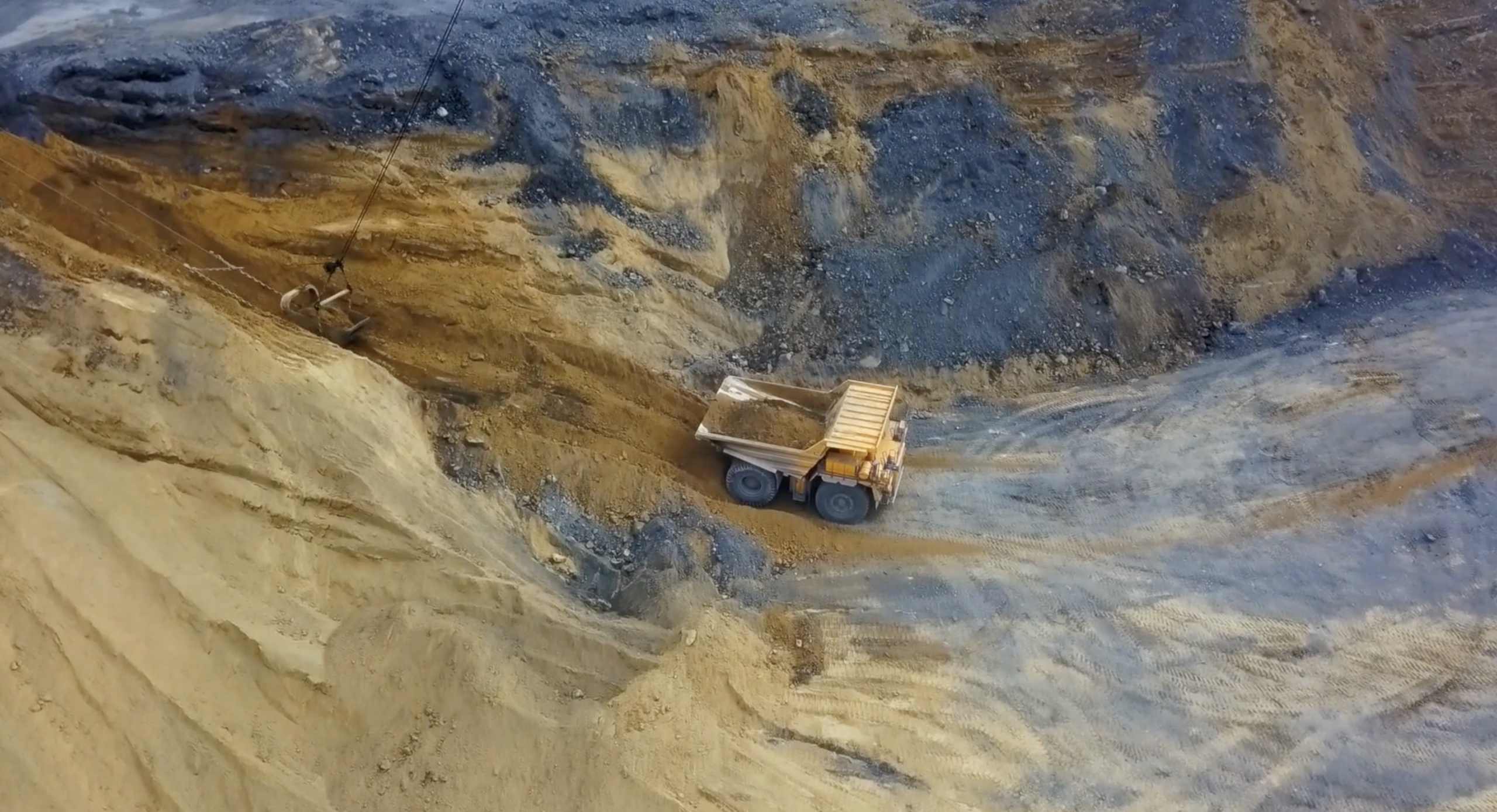
This past June, when Imperial Oil pleaded guilty to a 5.3-million-litre toxic wastewater leak at its Kearl facility, the ensuing $120,000 penalty was barely a slap on the wrist for a corporate giant that reported $3.2 billion in net profits in 2025.
This wasn’t the first time either — the Kearl facility was also the source of two toxic tailings spills between May 2022 and February 2023. During that time, downstream communities like Athabasca Chipewyan First Nation (ACFN) unknowingly drank and fished in a poisoned watershed while the Alberta Energy Regulator (AER) watched in silence
Imperial Oil may have been the source of the pollution, but the real crisis is in a regulatory system that seemed to choose secrecy over public safety until Indigenous leadership and media scrutiny forced the truth into the light.
The AER’s failure to regulate these spills is more than a regulatory lapse. It represents a profound failure by Alberta to uphold Treaty 8, a sacred agreement that guarantees the Nation’s right to hunt, fish, and live unhindered on their lands for generations to come — as long as the river flows, the grass grows, and the sun shines.
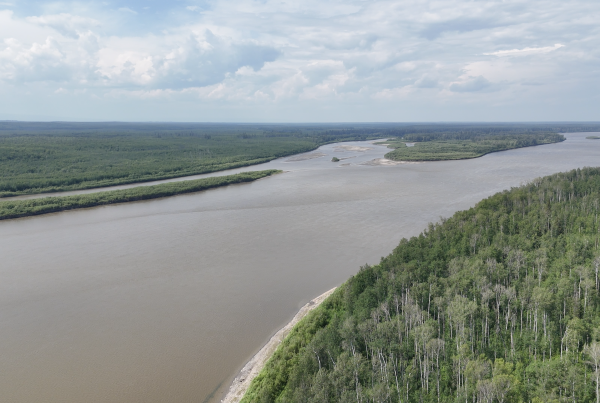
Treaty 8 never contemplated natural bitumen deposits in the Athabasca River being used as a cover for human-made pollutants and effluents entering its currents, flowing downstream, and depositing in the Peace-Athabasca Delta, which the Fort Chipewyan community calls home. It is dehumanizing to have generations of health concerns swept under the rug because those in power choose not to investigate why Indigenous communities continue to see more death than life.
In practice, settler governments and industry have treated full remediation as too complicated, too costly, and too demanding to undertake, choosing instead to monitor and document its slow decline. The Athabasca River is not a waste-disposal area. It is an ecosystem that proposed oilsands mine effluent releases will throw further off balance, compromising its essential role in the ACFN way of life.
The AER stood back and undermined treaty rights when it failed to inform the community that millions of litres of industrial wastewater had seeped into their lands. During those nine months of regulatory silence, Athabasca Chipewyan First Nation members went about their daily lives. They drank and fished in the water, hunted and gathered traditional plants from the land, unaware that industrial contaminants were seeping into the delicate muskeg.
The AER exists to keep the public safe and ensure sound environmental stewardship of lands and waters. By systemically keeping communities in the dark and later imposing a token $120,000 fine, Alberta’s regulatory system has utterly failed to hold Imperial Oil accountable. It sends a dangerous message to corporations worldwide: Alberta is a place where you can openly pollute Indigenous lands and waters, violate and ignore environmental safeguards, and just pay a negligible fee to move past the public relations crisis. Albertans can no longer trust this “watchdog” to bark when industry steps out of line.
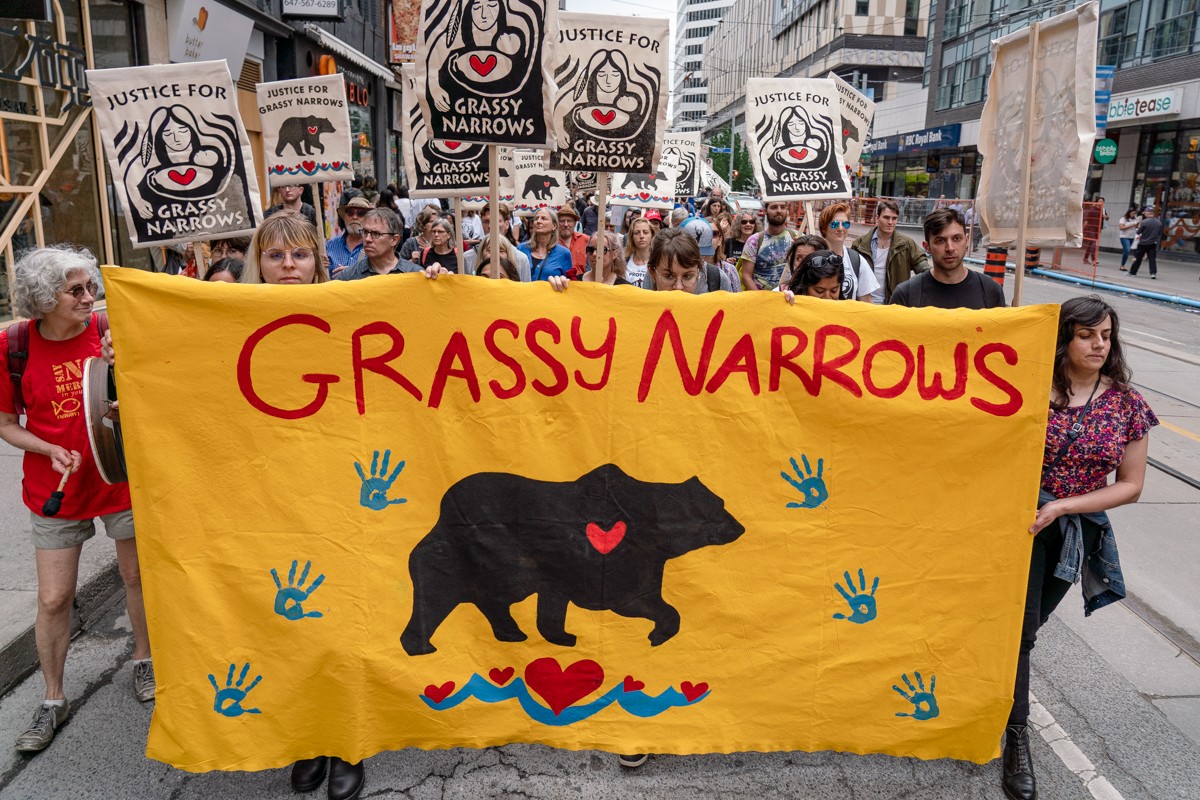
We cannot accept this status quo. That’s why Athabasca Chipewyan First Nation is pursuing a comprehensive lawsuit against the AER. This litigation seeks to hold the AER legally responsible for its systemic failures and demands the province return the millions in royalties it pocketed while Indigenous communities suffered the consequences.
We all depend on healthy waters for our shared future — Indigenous and non-Indigenous Canadians alike. In Fort Chipewyan, elders no longer trust the water, and parents worry if the fish to feed their families is safe. But the consequences of this regulatory negligence ripple far beyond northern Alberta. Pollution does not stop at provincial boundaries; the water flowing through ACFN territory eventually feeds into massive river systems across the country.
Alberta’s regulatory system is broken. It lets industry polluters threaten our interconnected waterways while paying petty fines for irreversible harm. We are taking the province and its toothless regulator to court to reform a regulatory system that protects corporate profits over land, water, and human health —because such a system threatens every Canadian. Cumulative effects require cumulative solutions, and centring Indigenous leadership is the key to unlocking true accountability.
Mike Mercredi is a councillor and member of the Athabasca Chipewyan First Nations (ACFN). Emily Cabrera is the executive director of RAVEN, which works alongside Indigenous Nations to support legal actions to defend their rights, lands, and waters