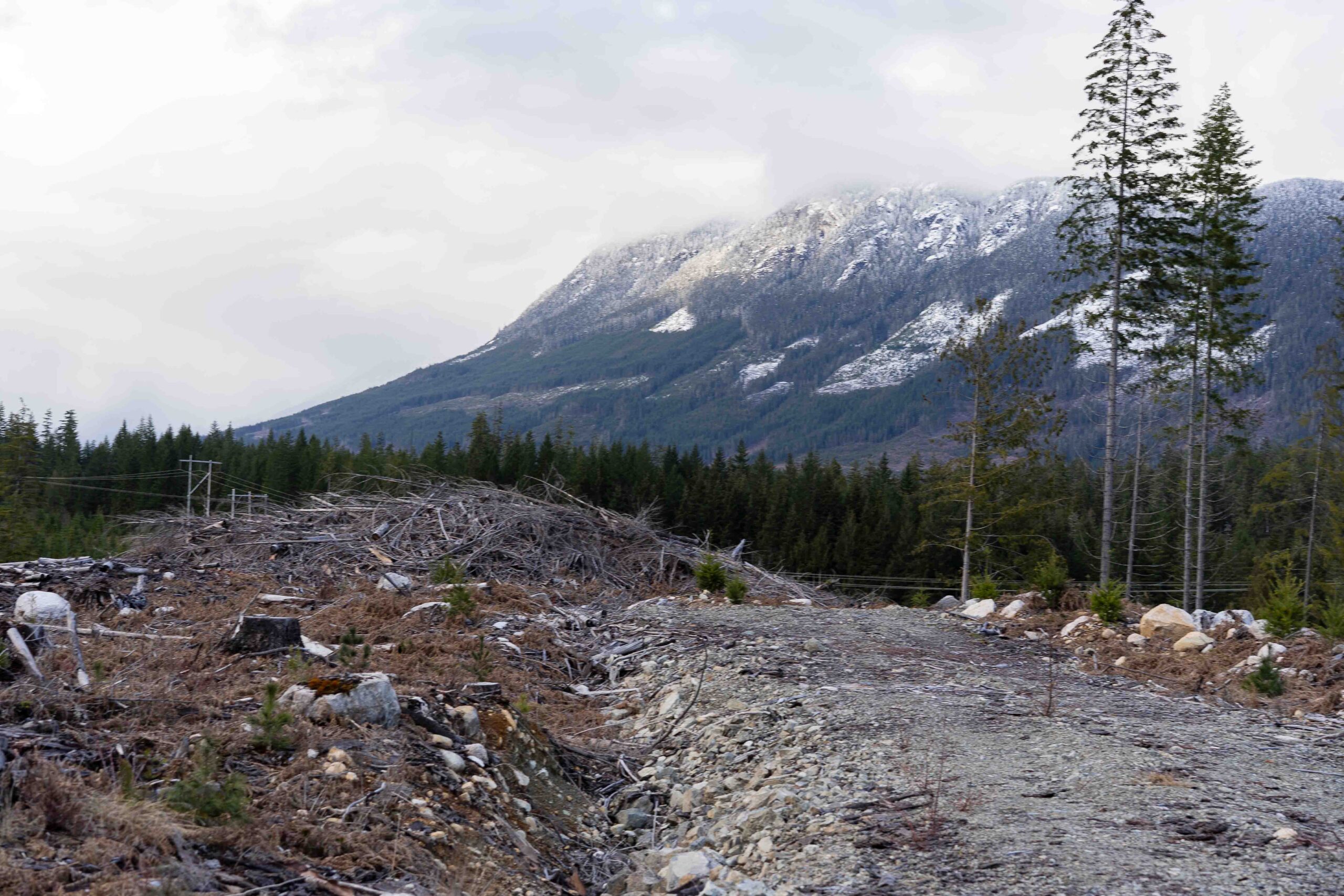
A recent court decision recognizing the Nuchatlaht Nation’s title over more than 200 square kilometres of Nootka Island marks a historic moment for Indigenous rights in Canada. The ruling affirms what Indigenous Nations have long maintained: that their laws, land stewardship, and governance systems are enduring and deserve recognition.
For neighbouring Mowachaht-Muchalaht First Nation, this decision is both encouraging and deeply relevant.
Mowachaht-Muchalaht First Nation had been granted intervenor status in the Nuchatlaht Nation’s title case, allowing them to contribute legal arguments as the case moved through the courts. With support from RAVEN’s Intervenor Fund, Mowachaht-Muchalaht First Nation helped ensure that critical perspectives grounded in Nuu-chah-nulth laws and traditions were meaningfully considered.
The Nuchatlaht case itself highlights the challenges many First Nations face in proving title within Canadian courts. To succeed, First Nations in B.C. must demonstrate “sufficient” occupation of their territories at the time of asserted “Crown” sovereignty in 1846. These legal tests are often difficult to meet, especially when courts rely on narrow interpretations of land use.
In earlier stages of the Nuchatlaht case, the court took what was described as a “postage stamp” approach – recognizing title only in small, site-specific areas. But the recent appeal decision rejected that reasoning, instead recognizing a broader and more accurate understanding of Indigenous land use and occupation. Evidence such as culturally modified cedar trees – long used by Nuu-chah-nulth peoples for housing, tools, and transportation – played a key role in demonstrating a sustained and widespread presence across the land.
For Mowachaht-Muchalaht First Nation and others, this evolution in how courts understand Indigenous occupation is significant. As neighbours who share Nuu-chah-nulth culture, laws, and legal traditions, MMFN has a direct interest in how these concepts are interpreted. Their intervention focused on ensuring that Nuu-chah-nulth laws governing land use and responsibility were properly understood and respected by the appeal judges.
This is important for the outcome of MMFN’s own title case, which RAVEN is proud to support.
Interventions like this play a vital role in shaping the law. They allow Indigenous Nations to bring forward legal principles that may otherwise be overlooked, helping courts make decisions that better reflect the realities of Indigenous governance and history on the land.
At the same time, these cases point to a future full of possibility. The Nuchatlaht have expressed interest in restoring and stewarding their lands, and in exploring sustainable economic opportunities beyond resource extraction. It’s a powerful reminder that recognizing First Nations’ title is not just about addressing past injustices – it’s about creating a prosperous future for all and helping to reshape Canadian law in ways that are more just and inclusive.
Moving forward, Mowachaht-Muchalaht First Nation’s ongoing case represents years of work, research, and commitment to demonstrate an enduring relationship with their territory. These efforts are complex and resource-intensive, but their impact will be lasting. By donating to supporting MMFN’s case, you too can help ensure that Indigenous voices continue to shape the future of law, land, and reconciliation in Canada.